

No items found.
|
series
- Cuturi Gallery - Paris, France
- Jeremy Scholar - London, UK
Ines Katamso’s multidisciplinary practice moves between scientific inquiry, spirituality, and the notion of ancestral craft. Attuned to the natural world and the ecological crises unfolding in Indonesia and beyond, she traces a profound paradox: humanity recognizes the damage it inflicts on nature, yet remains bound to the systems that sustain it. Against this seemingly inescapable passage toward extinction, Katamso turns to art as a form of poetic engagement—an invitation to attend, remember, and remain with uncertainty.
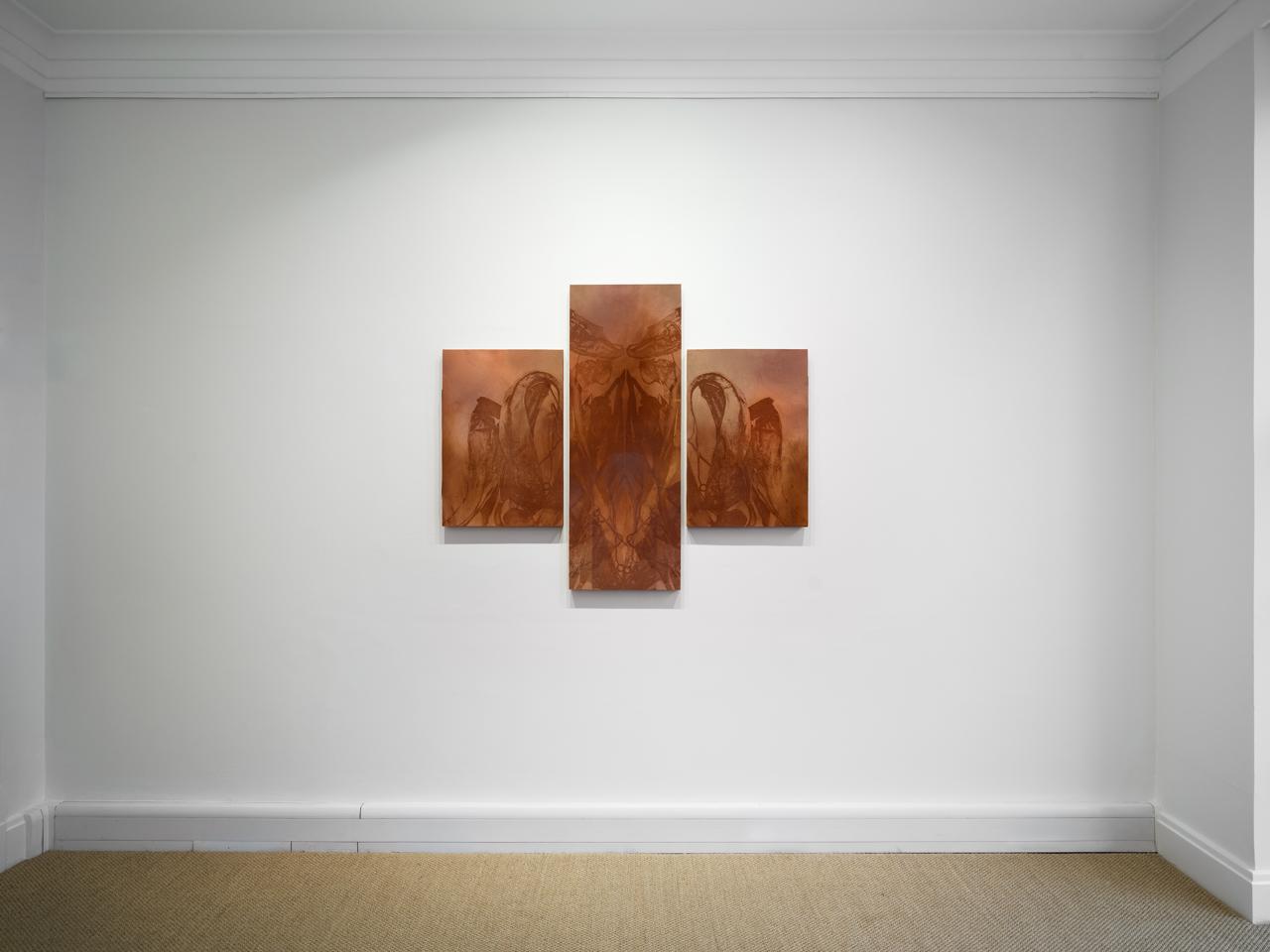
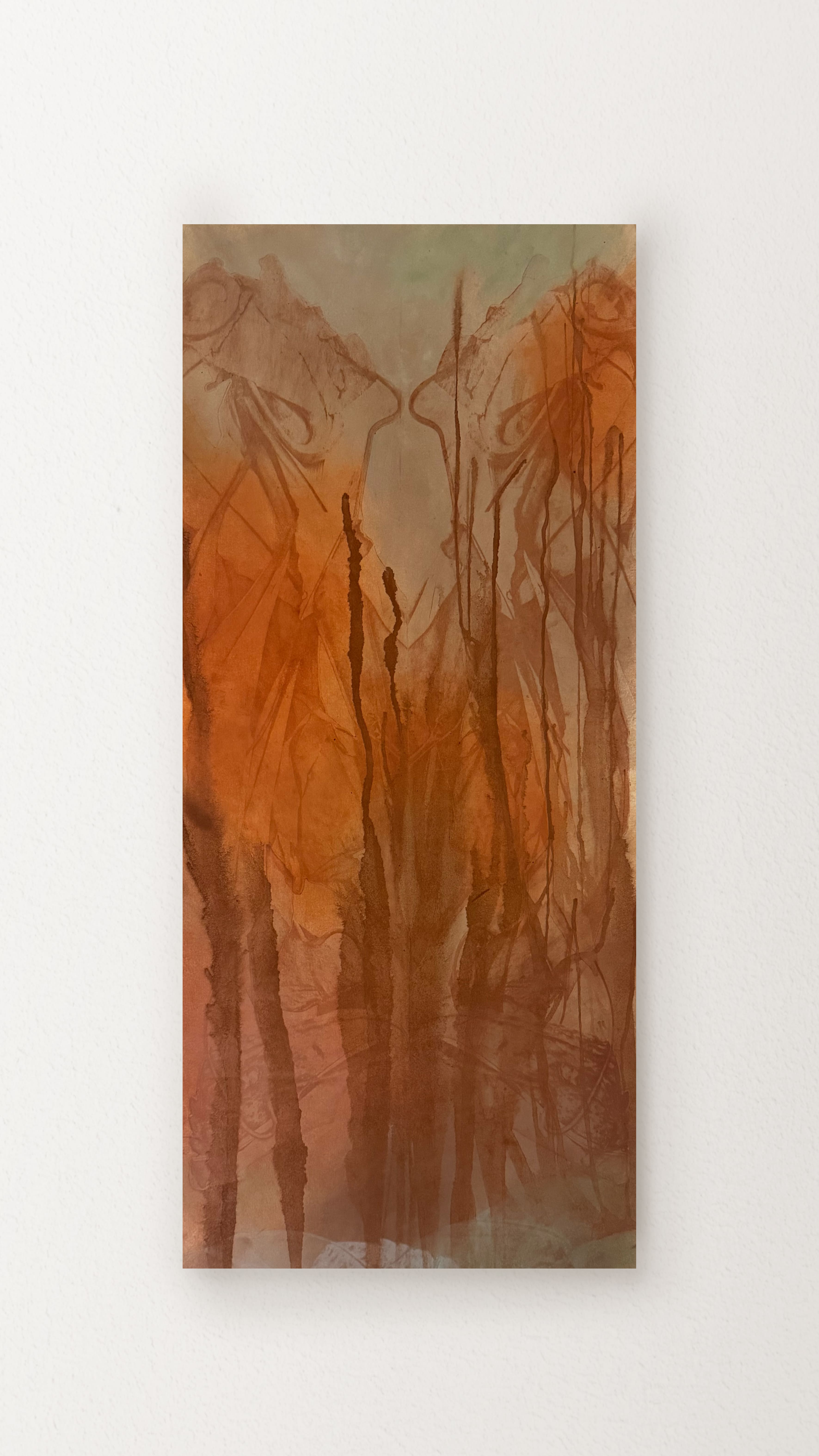
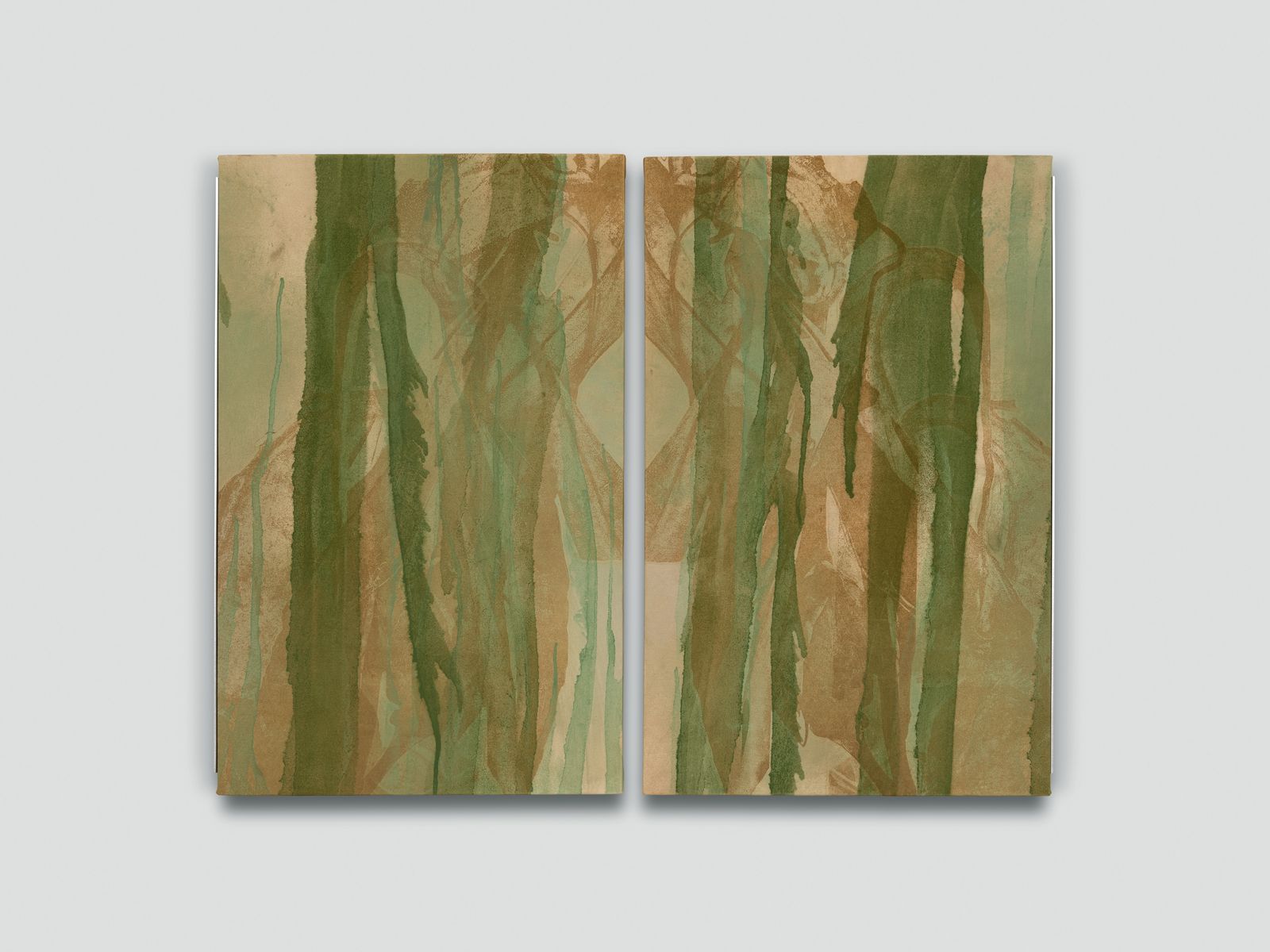
Her work begins with the earth’s own materials: soil, clay, stone, fossils, and specimens, transformed into pigments and forms that carry their histories within them. Sacred Resilience emerged from Katamso’s research at BRIN, Indonesia’s National Research and Innovation Agency, where she encountered herbarium archives documenting endangered Indonesian plants – mainly the soon to be extinct tropical carnivorous plants.
Currently, Katamso’s exploration is focusing on experiments with printmaking with her interest on the duality of the medium: its democratic quality that historically has been giving way to make knowledge, science and other discoveries more accessible – yet, at the same time also heavily associated with industrial mass production and toxic waste.
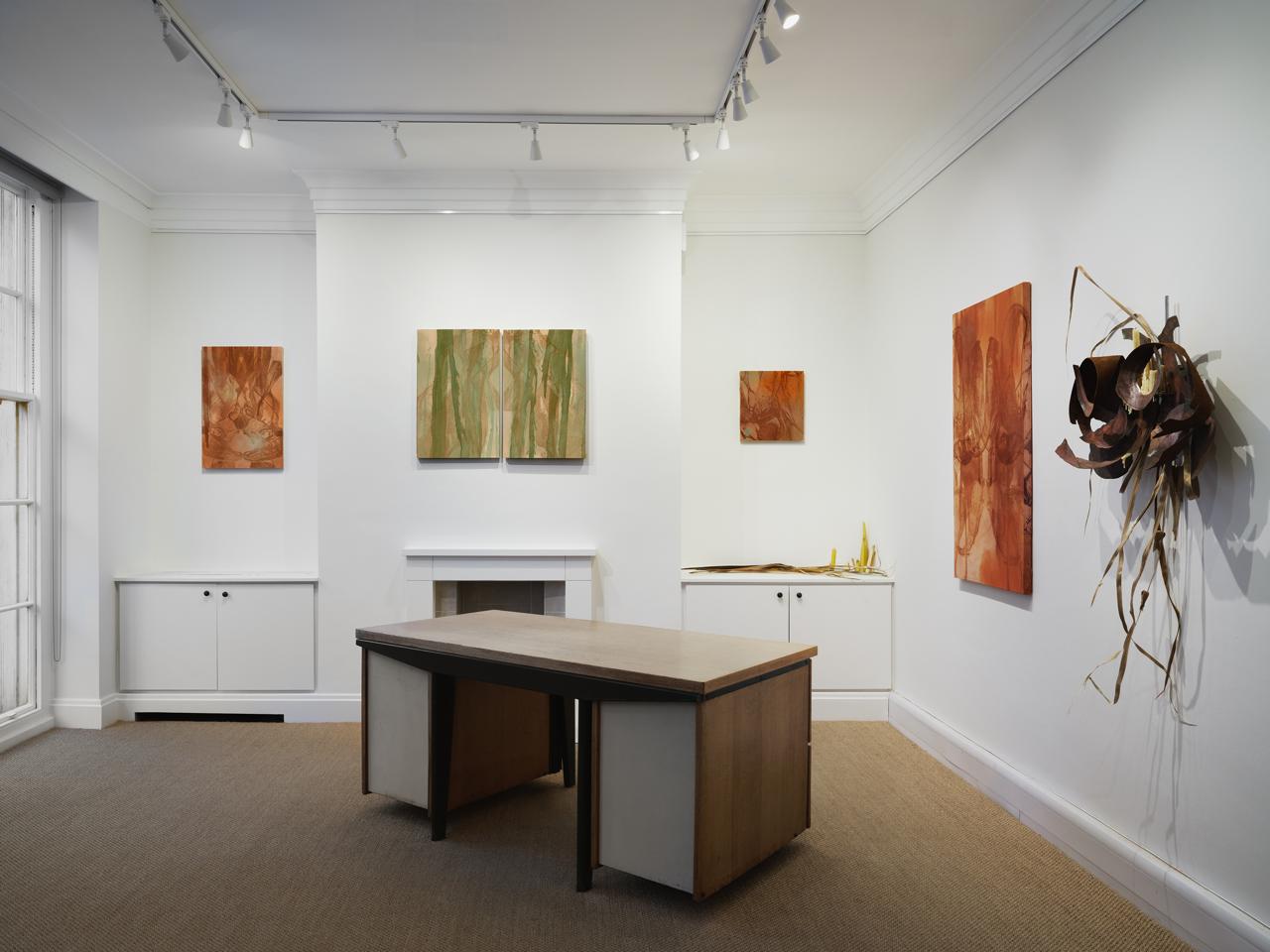
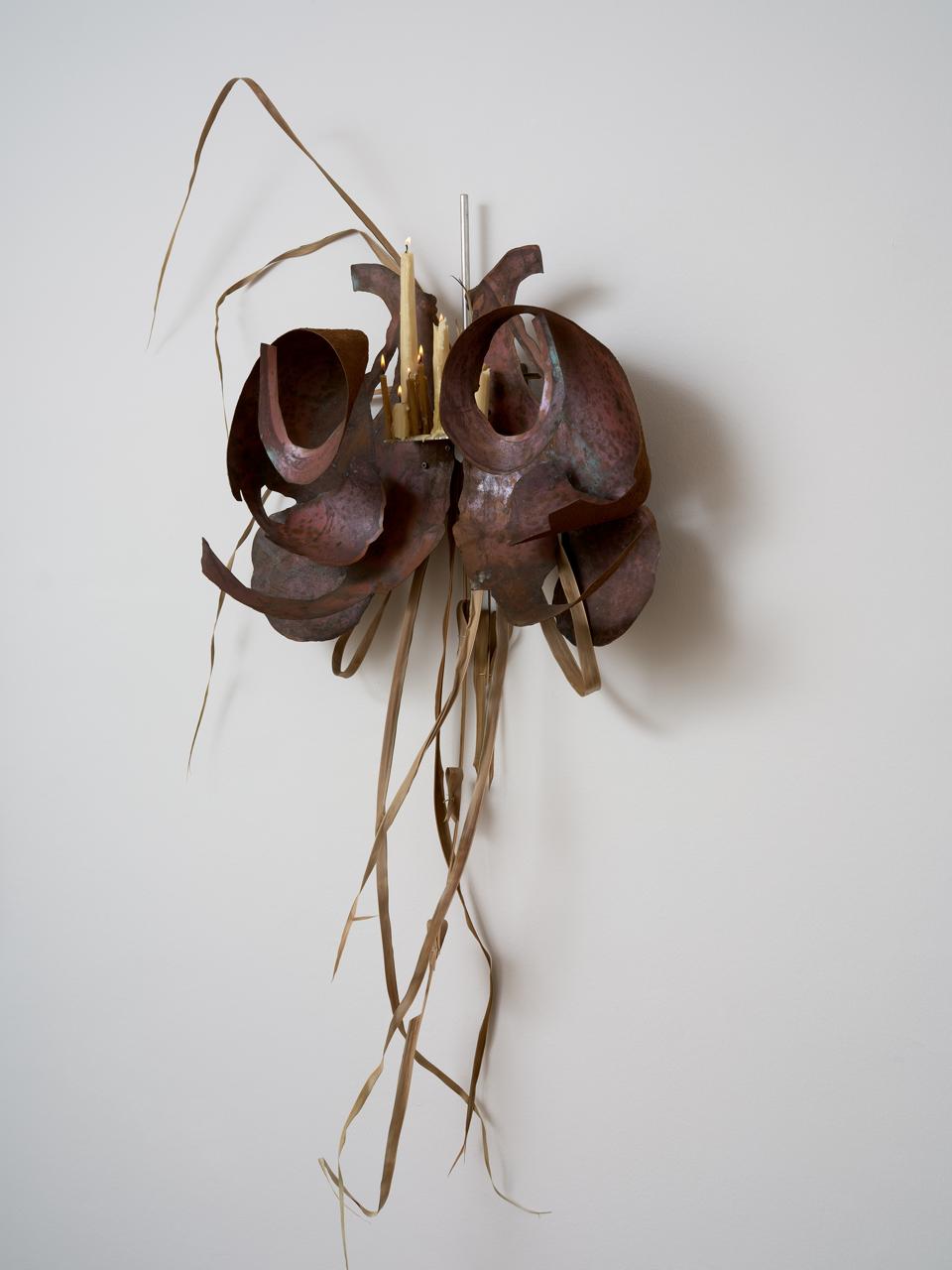
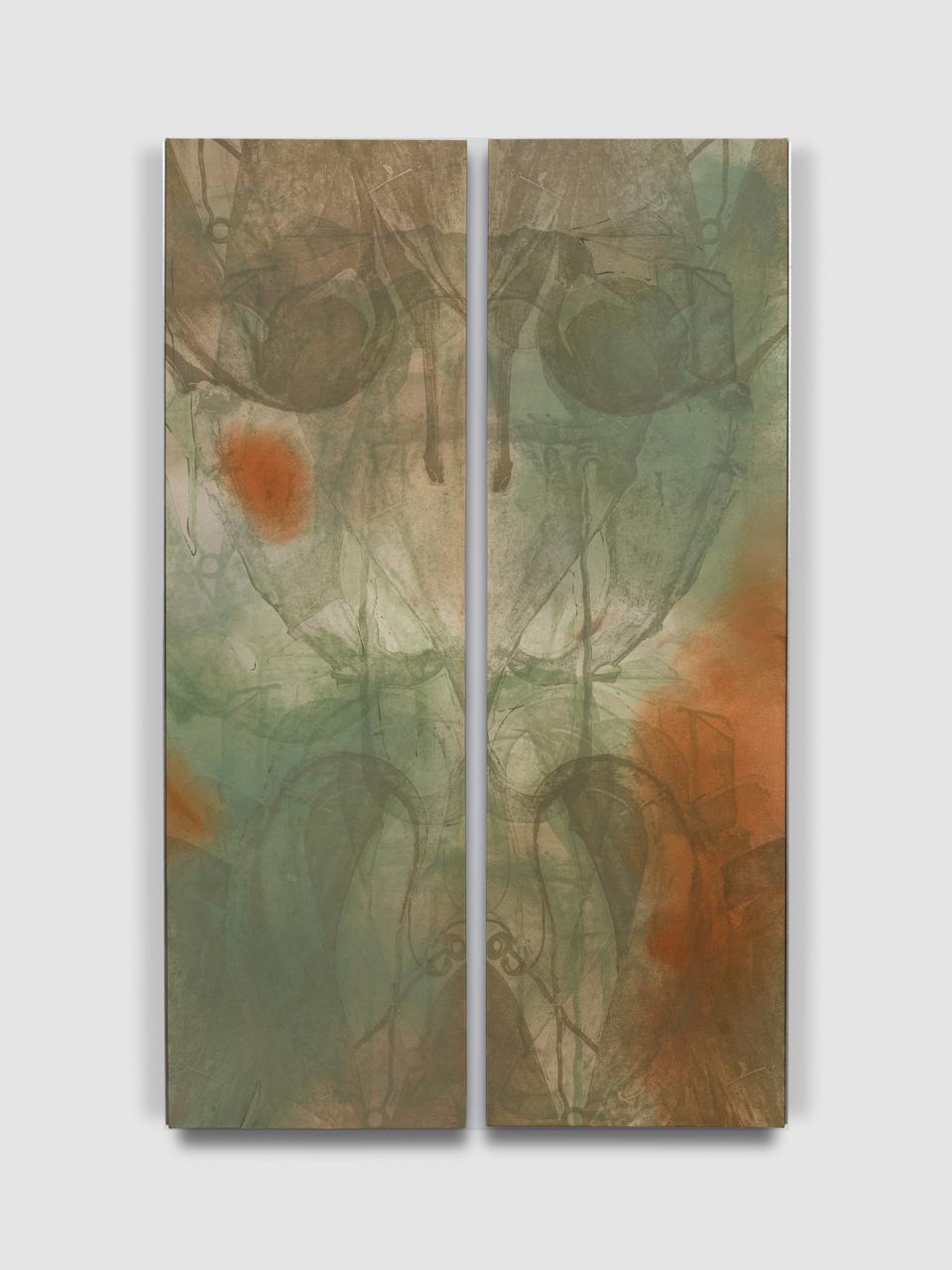
In the series, the herbarium archival images are repeated and arranged in symmetrical compositions that draw on Christian, Balinese, and Javanese visual traditions. Katamso transfers these forms onto metal plates through intaglio, then prints them onto textiles using pigments made from soils and green clay gathered during her travels. The plates are subsequently bent into shrine-like sculptures. Printmaking becomes both process and ritual, its materiality returned to the living matter of the earth. The soils as pigments carry minerals, fungi, bacteria, roots, seeds, and organic matter meet in a shifting substance where life emerges, decomposes, and renews itself.
Sacred Resilience attends not only to the measurable disappearance of species, but also to the fading of the cultural frameworks through which they were once known: the taxonomies, rituals, and images that made them visible and meaningful. When these forms of understanding vanish, ecosystems become harder to notice, mourn, and protect. This exhibition sees through the less visible register of extinction, and asks what it would mean to rebuild that register through material practice rather than argument.
Text by Farah Wardani